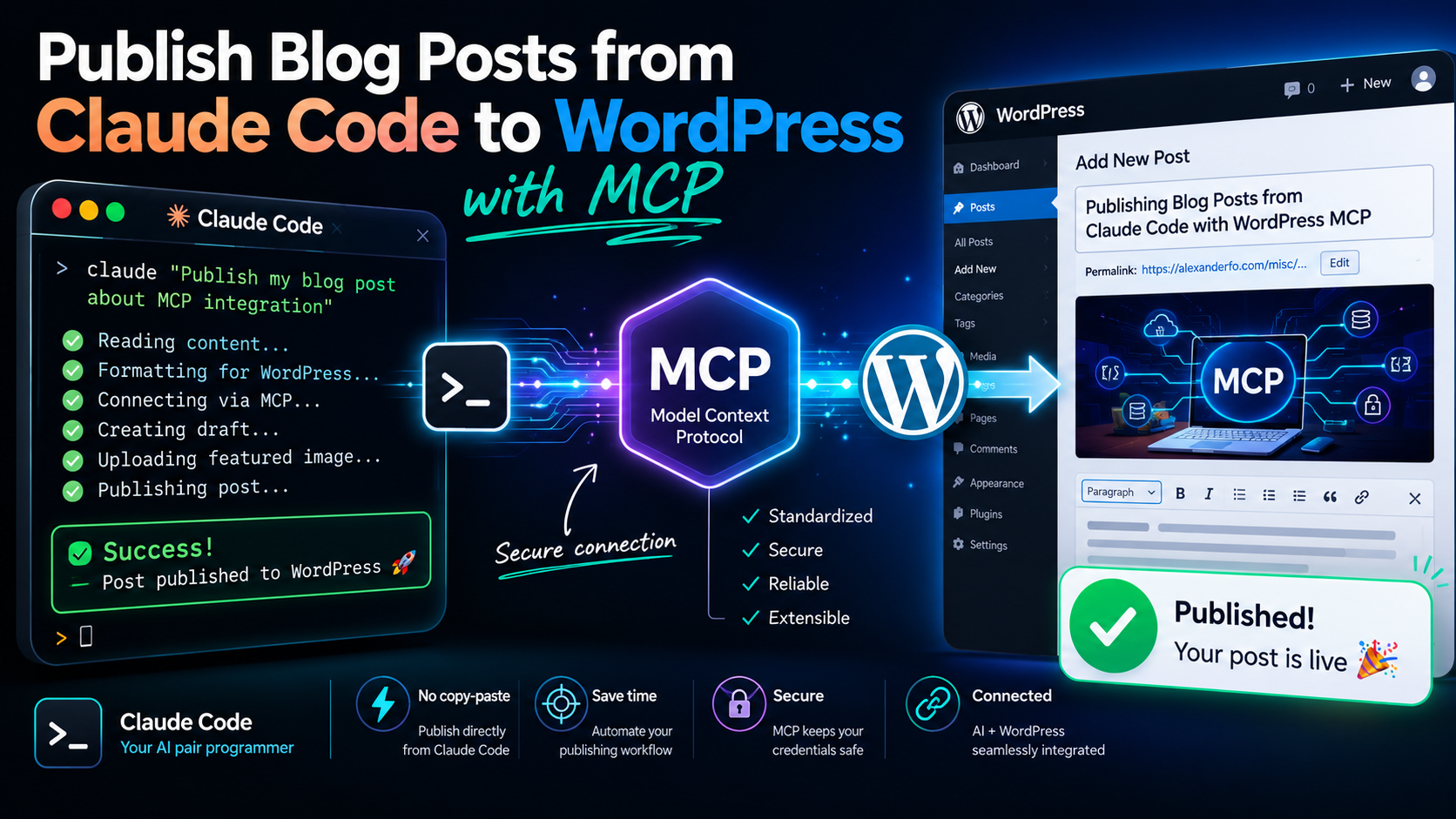
Adding an MCP so you can (almost) create and edit posts directly from Claude Code
In this article, we’ll explore what contract tests are, how they differ from integration tests, how to integrate them into CI/CD, and even how AI can now generate both contract tests and OpenAPI specs faster than ever before. We’ll use Go (Golang) examples throughout, reflecting how developers can practically adopt these methods in production pipelines.
n this Warp review I’ll walk you through what Warp is, what value proposition it brings, and then dive into concrete use‑cases: flushing Redis keys, finding ports your application is using, updating pom.xml across multiple repositories, doing a code review, installing a WordPress theme automatically-and showing off multiple agents running in parallel. I’ll also balance this with caveats and things to watch.
Comet is an AI browser that has been recently released by Preplexity. It is a Chromium based browser with agentic capabilities which means it can do actions on your behalf like filling a shopping list, sending emails and so forth.
There are several options to deploy a Kubernetes cluster, including public cloud, private cloud, and a homegrown solution either on-premises or in the cloud.
This post will highlight the hidden costs of the homegrown management of a Kubernetes cluster.
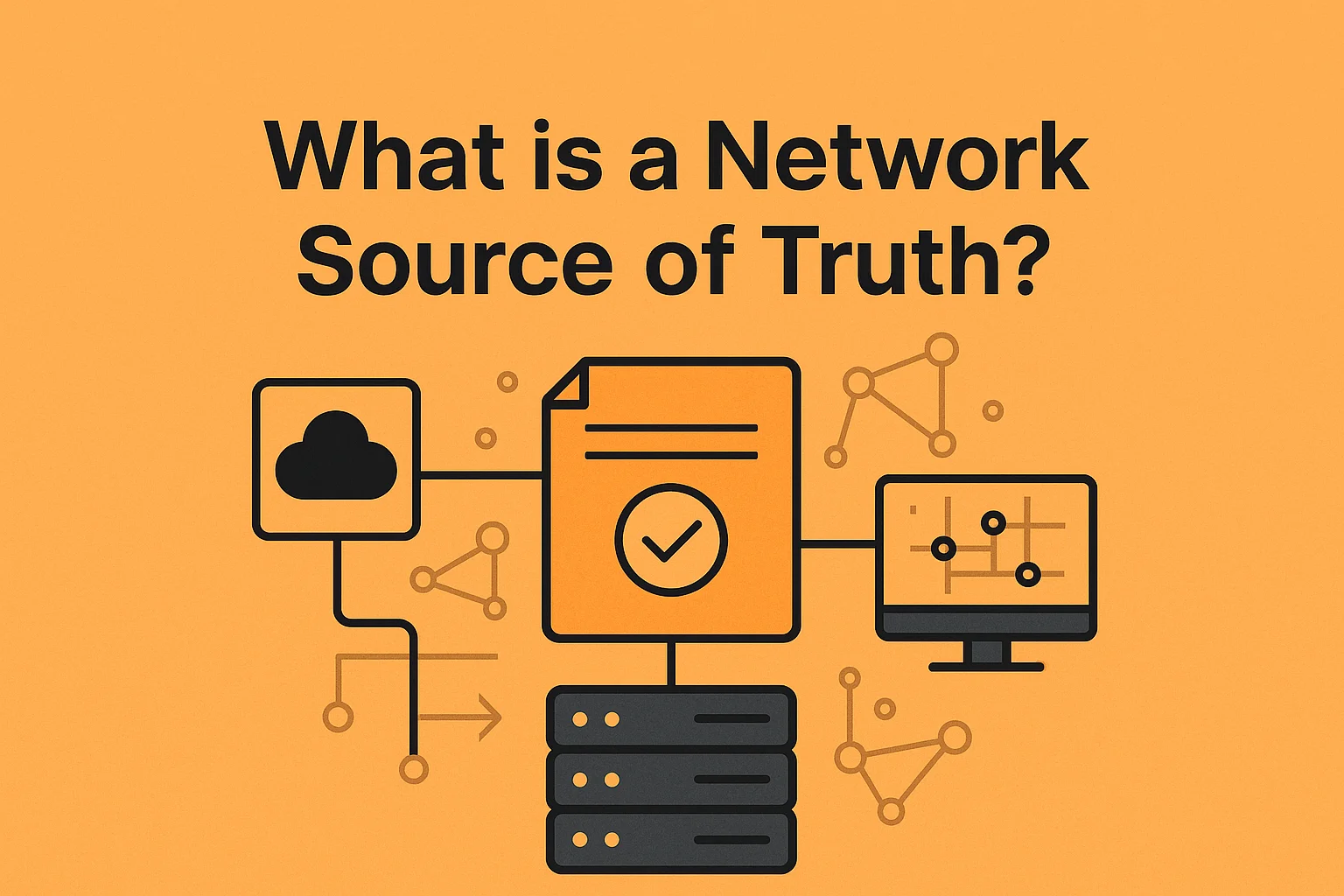
What Is a Network Source of Truth?
A network source of truth is a centralized repository of accurate, up-to-date information about the configuration and status of all the devices, connections, and services within a network
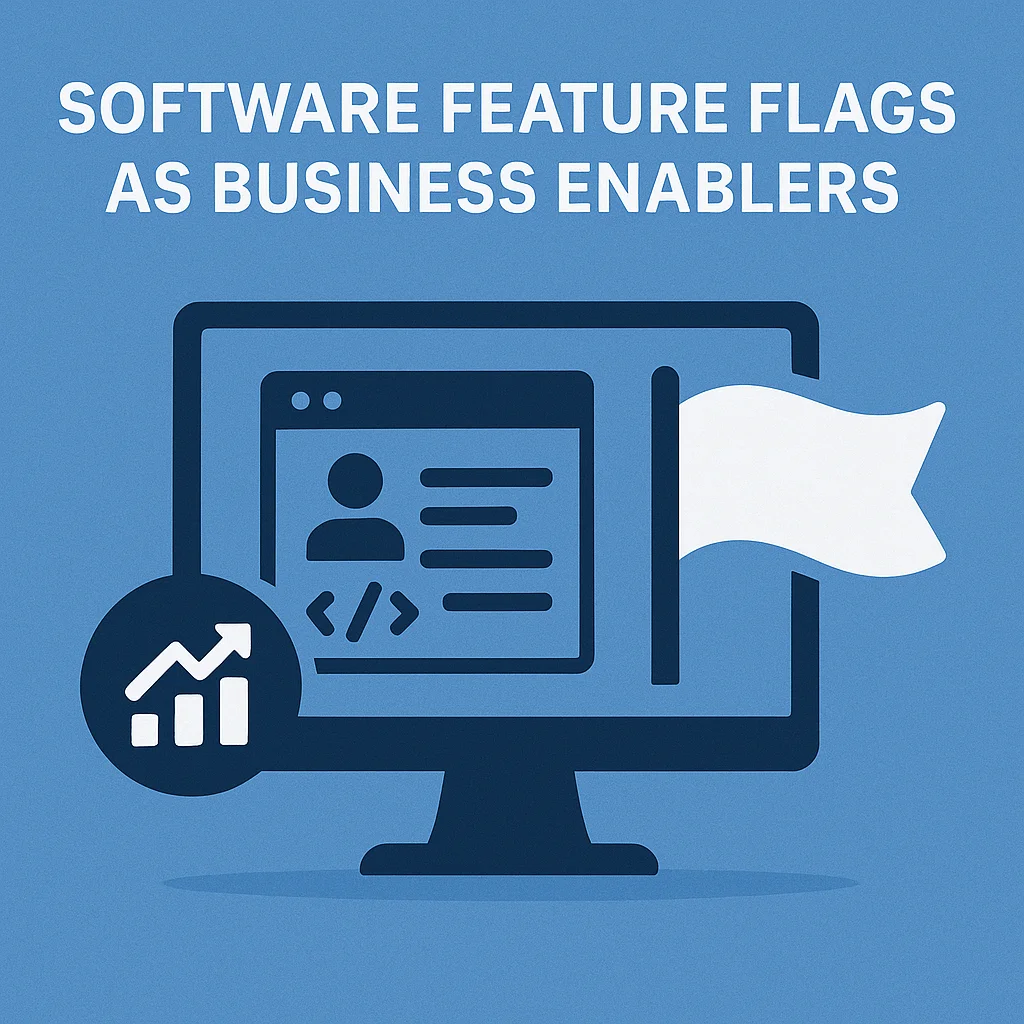
Deploying code while working in a team can be tricky. If you have multiple developers working on the same repository orchestrating the feature release becomes problematic. Teams usually ask themselves whether a they can deploy to production their current dev branch and whether such a deploy process will be safe and won’t break existing features and/or introduce non working untested new features to the production environment. Features flags can be a mechanism that allow safe deployment of entire branches thus reducing the lead time of features from the developer’s laptop to the end user. This in turn results in more features deployed per time frame, enabling unlocking more value for users and growing the business.
Introduction In recent years, big data has taken the world by storm. Legacy relational database storage on premises has been transformed into complex cloud systems with multiple databases, NoSQL databases, ingestion engines, and so forth. In this post, I’ll explain big data architecture and how it differs from legacy database architecture and describe the different types of big data architectures. What Is Big Data? Legacy Systems Big data refers to extremely large and complex data sets. Sets that cannot be effectively processed or analyzed using traditional data processing tools and techniques. When …
Databases power all modern applications. They’re behind your Angry Birds mobile game as much they’re behind the space shuttle. In the beginning, databases were hosted on a signal physical machine. Basically, it was a computer running only one program: the database. Then we moved to running databases on virtual machines, where resources are shared among multiple operating systems and applications. In recent years we moved to running databases in the cloud. And we no longer use a single database instance to store the data. Modern database systems are spread across multiple computers …
The most common databases used today are relational or SQL databases, where data is stored in interconnected tables. In turn, you can query those tables using a query language that resembles plain English, Standard Query Language (SQL). To get the most value of the SQL databases you use as a developer, system administrator, or database administrator, it’s vital that you have visibility into what’s going on via SQL monitoring. That way you can take a deep dive under the hood and routinely check and monitor the database activity.